
Netanyahu's Long-Term Plan: Reshaping Middle East via Iran War
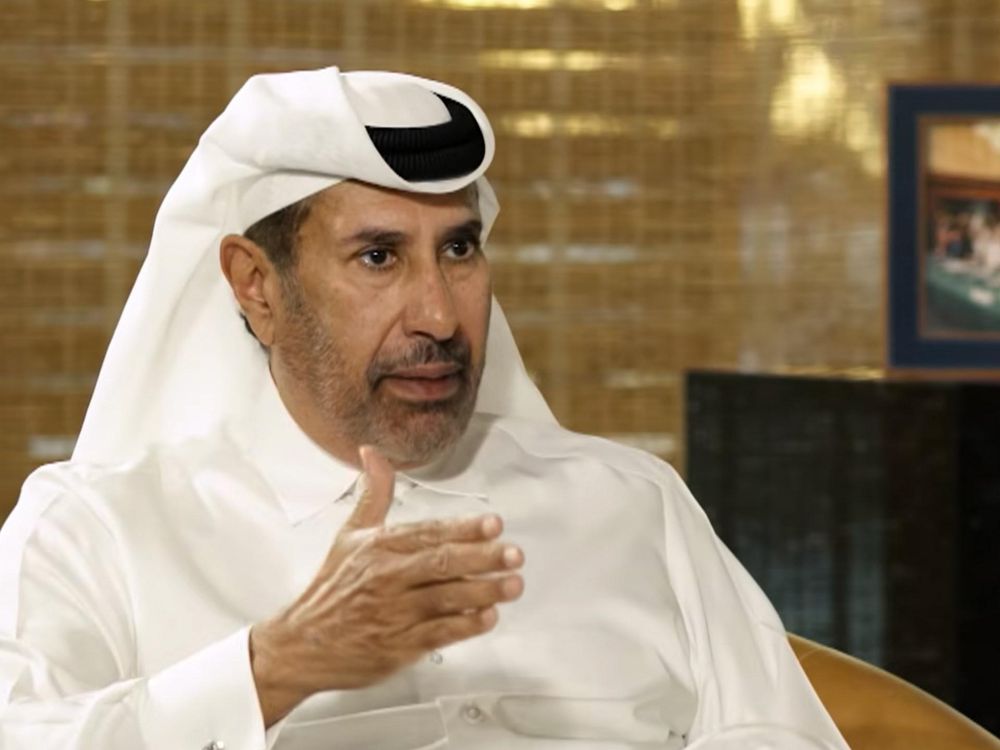
The United States-Israel war on Iran is not a sudden escalation but the result of a long-term Israeli plan to reshape the Middle East through force, according to former Qatari Prime Minister Sheikh Hamad bin Jassim Al Thani. In a candid interview with Al Jazeera, he warned that the crisis in the Strait of Hormuz is the most dangerous outcome of the conflict. He also cautioned against Israeli Prime Minister Benjamin Netanyahu’s ambitions for a “Greater Israel” and called for a unified Gulf defence pact.
Sheikh Hamad blamed a hardline Israeli faction led by Netanyahu for pushing the U.S. into war over Iran’s nuclear program since the 1990s. He argued that Netanyahu convinced Washington the war would be short and that Iran’s regime would fall quickly, similar to failed U.S. efforts in Venezuela. The former premier criticized America’s reliance on military force, noting that the war ultimately forced all parties back to negotiations. He suggested that more diplomatic talks earlier this year could have prevented the conflict.
He observed that Netanyahu benefits from the chaos, using it to promote forced regional alliances and a “Greater Israel.” Regarding Iran’s strategy, Sheikh Hamad said Tehran absorbed initial strikes and then leveraged control over the Strait of Hormuz as a strategic tool. He warned that treating this vital waterway as sovereign territory poses a greater threat to global economies than Iran’s nuclear program.
Gulf states have suffered the most from this crisis, facing attacks on energy and civilian infrastructure under the guise of targeting U.S. interests. These nations had opposed the war, yet Tehran has lost political support in the Gulf due to economic and security disruptions. Despite this, Sheikh Hamad stressed that geography requires coexistence and urged collective Gulf dialogue with Tehran instead of fragmented approaches.
He identified internal Gulf disunity as the region’s greatest threat—greater than Iran, Israel, or foreign bases. To address this, he proposed a “Gulf NATO,” starting with a core group of aligned nations led by Saudi Arabia, modeled after the European Union. While acknowledging the historical value of U.S. military bases, he warned that America’s pivot to Asia means the Gulf must build long-term partnerships with regional powers like Turkey, Pakistan, and Egypt.
On Palestine, Sheikh Hamad condemned civilian killings on all sides but accused Israel of a “moral and political disaster” in Gaza, where over 72,500 Palestinians have died since October 2023. He warned of an Israeli plan to depopulate Gaza, turning it into a real estate project. He rejected disarming Hamas without a clear path to an independent Palestinian state and praised Saudi Arabia’s refusal to normalize relations with Israel without such a roadmap.
Sheikh Hamad expressed relief at the fall of Syria’s Assad regime, revealing he had advised Assad early in the revolution to listen to his people. He praised Syria’s new leadership for avoiding Israeli provocations and urged focus on rebuilding after years of war. He also disclosed that in the late 1990s, Qatar delivered a U.S. message to Iran demanding it hand over its nuclear program to Russia or accept international controls—a move that made Tehran view Doha as aligned with Washington.
More Diplomacy And Foreign Policy News


Enjoying TindPosting?
Get the app for a faster, personalized news experience.
