
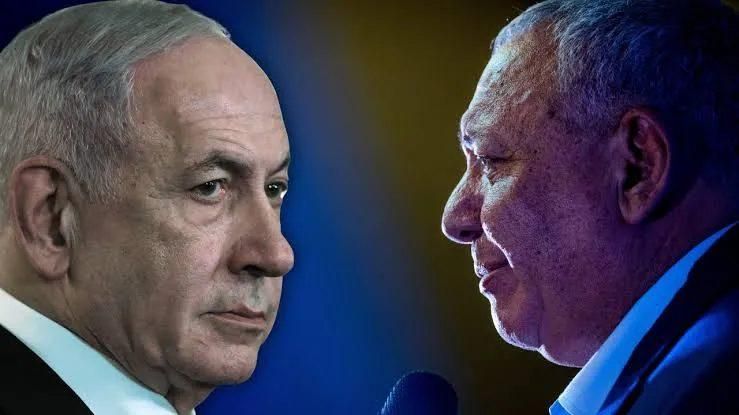
Israel Election Results Leave Both Blocs Short of Majority Despite Near Complete Vote Count
Israel's election left no clear winner as both Prime Minister Benjamin Netanyahu's bloc and the opposition remained short of the 61 seats needed to govern. With nearly 90% of votes counted, Netanyahu's bloc held 53 seats while the opposition led by Gadi Eisenkot had 48. Arab parties, including the Joint List and Ra'am, secured a record 19 seats, playing a decisive role in preventing Netanyahu from returning to power outright. Their strong performance was attributed to high Arab voter turnout. Despite their influence, both major blocs rejected forming minority governments with Arab-led parties. Netanyahu's Likud accused Arab parties of election fraud, while the Joint List claimed voters rejected a "government of butchers" and policies of war crimes. As caretaker prime minister, Netanyahu may pursue a unity government with Eisenkot, though he ruled out collaborating with Arab parties. President Isaac Herzog will consult party leaders after final results are announced, urging restraint to avoid another election. Over 500,000 special ballots remain uncounted, potentially altering the projected seat distribution. The vote, held since the October 7, 2023 attacks and Gaza conflict, largely served as a referendum on Netanyahu's leadership.
More Elections And Campaigns News


Enjoying TindPosting?
Get the app for a faster, personalized news experience.
