
Owaisi Condemns 'Media Trial' in Nashik TCS Case, Urges Legal Process
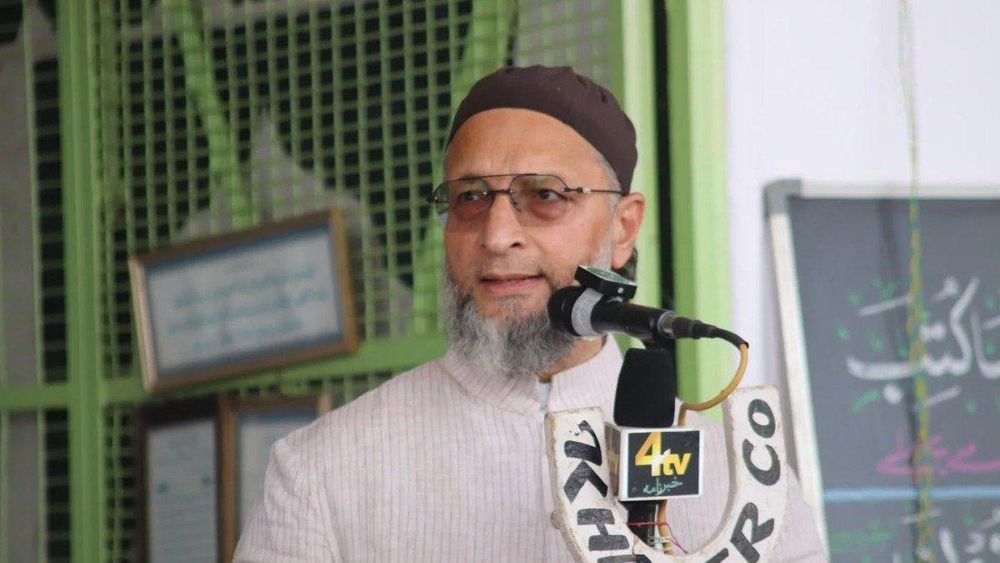
Asaduddin Owaisi, the AIMIM chief, on Saturday criticized the handling of the Nashik TCS sexual exploitation and forced conversion case, accusing authorities of conducting a "media trial" against accused Nida Khan. Speaking at a press conference in Chhatrapati Sambhajinagar, he insisted that only the courts should decide the outcome, not public opinion or television debates. He noted that nine FIRs had been filed, including one accusing Khan of hurting religious sentiments, but stressed that guilt must be proven beyond reasonable doubt.
Owaisi alleged the case was part of a broader effort to target educated Muslim youth, claiming the judiciary would ultimately deliver justice. He clarified that Khan was not part of the HR department at TCS and had been transferred before the complaint was filed. He also questioned the police’s emphasis on recovering religious items like burqas and Qurans during searches, calling such findings irrelevant and normal in Muslim households.
Drawing parallels to past cases like the Malegaon and Mumbai train blasts—where many accused were later acquitted—Owaisi warned against destroying lives through premature judgments. He urged restraint and legal process over sensationalism. When asked about allegations that AIMIM corporator Matin Patel helped shelter Khan, Owaisi declined to comment directly, stating the matter should be resolved legally.
Meanwhile, Maharashtra minister Sanjay Shirsat accused AIMIM leaders of supporting Khan and demanded a Special Investigation Team (SIT) probe, alleging a "love jihad conspiracy." The Nashik Police SIT is investigating multiple complaints involving sexual exploitation, harassment, and forced religious conversion at the TCS office. Khan was arrested and remanded to police custody, with several others also detained.
The case has sparked strong political reactions in Maharashtra, with ruling alliance leaders targeting AIMIM, while opposition and minority groups have raised concerns over communal narratives and biased media coverage surrounding the investigation.
More Hate Crime News


Enjoying TindPosting?
Get the app for a faster, personalized news experience.
