
UK's Muslim Vote: Navigating Challenges and Diversifying Support
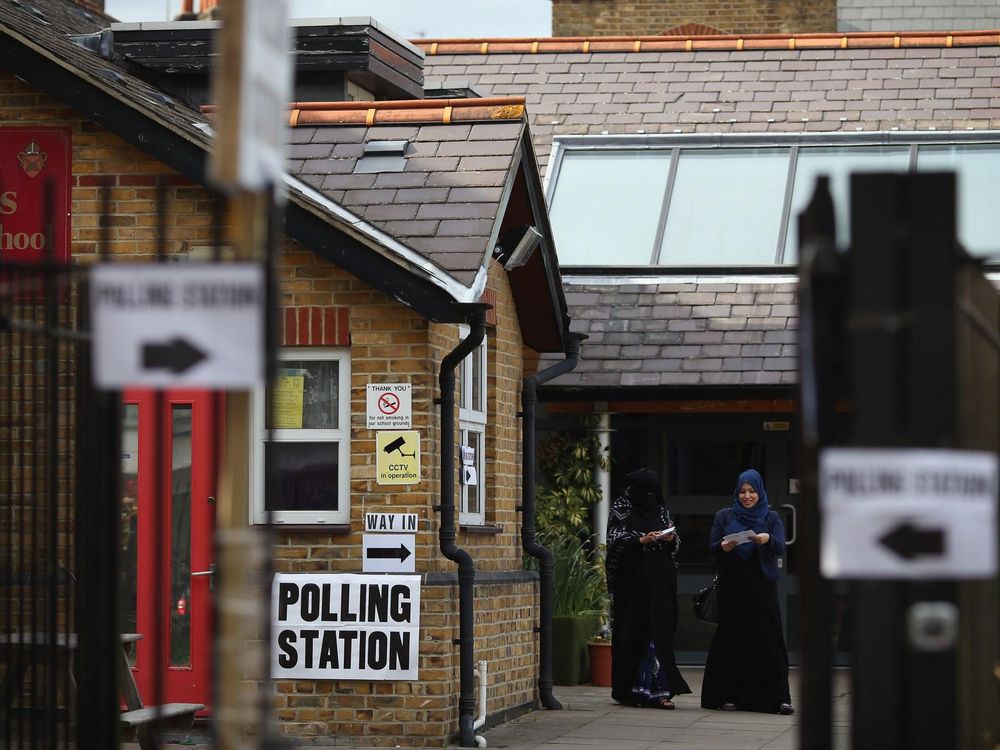
British politics is currently in turmoil following Labour's significant losses in the May 7 local and devolved elections, which triggered a leadership crisis within the government. However, for British Muslim communities, these elections marked a notable surge in civic engagement, driven by initiatives like the Muslim Council of Britain's voter registration campaigns. Despite this increased participation, Muslim voters often faced suspicion and divisive narratives from political actors and media outlets, including unfounded claims of "family voting" and "sectarian voting" that questioned their political agency.
Reform UK made substantial gains in the elections, capitalizing on anti-immigration sentiment and hardline positions including proposals for large-scale immigration detention and restrictive integration policies. The party's rhetoric sometimes overlapped with Islamophobic narratives, and several elected Reform candidates had histories of posting openly anti-Muslim content online. Meanwhile, voting patterns showed Muslims diversifying their political support beyond traditional Labour backing, with many shifting toward the Greens and independent candidates.
The author emphasizes that British Muslims vote based on diverse concerns including housing, cost of living, education, and international issues like the Gaza crisis, rather than as a religious monolith. The article expresses concern about the shifting Overton window, where once-fringe ideas about mass deportations and securitization of Muslim communities are now openly discussed by elected representatives without mainstream condemnation.
The response to these challenges requires building civic literacy, strengthening community engagement, and ensuring Muslim voices are heard through constructive political participation. The article highlights hopeful examples like independent councillor Mansoor Ahmed, who won on a community-focused platform addressing local concerns rather than identity politics. With the next general election due by August 2029, the author calls for greater organization, voter registration, and coalition-building across communities to ensure meaningful representation and counter those who would reduce Muslim political engagement to a culture war issue.
More National Politics News


Enjoying TindPosting?
Get the app for a faster, personalized news experience.
