
JD(U) Demands Urdu Posts in Bihar's New College Recruitment, Citing NEP 2020
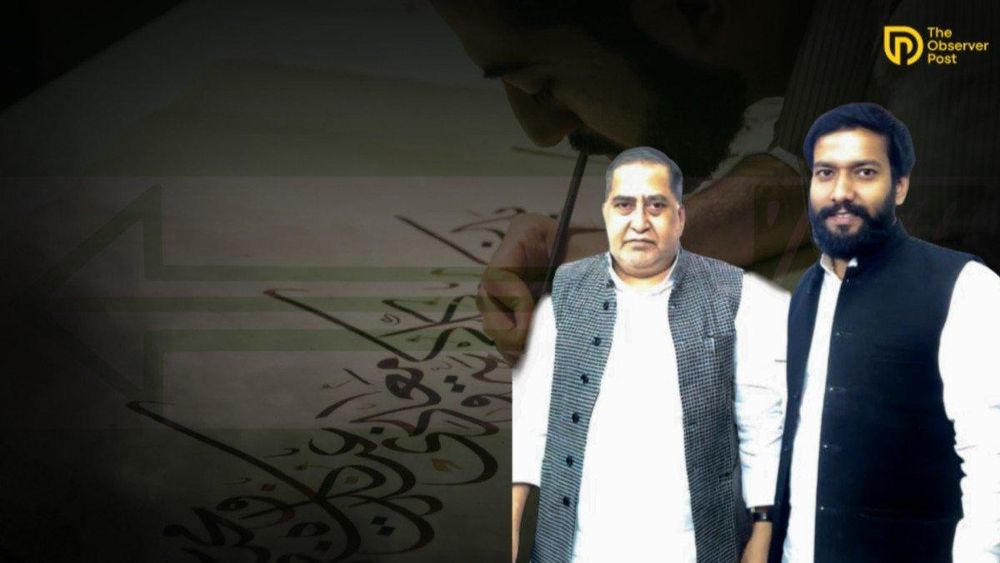
The Minority Cell of Janata Dal (United) in Delhi has raised concerns over the Bihar government's decision to establish new degree colleges under the "Seven Resolves-3 (2025–30)" scheme. The cell alleges that Urdu has been excluded from the proposed teaching posts in these colleges. Sajid Mujeeb, president of the JD(U) Delhi Minority Cell, termed this exclusion "unfortunate and concerning." He stated that the state's plan to create thousands of Assistant Professor positions does not include any dedicated posts for Urdu.
Mujeeb emphasized that Urdu holds official recognition as Bihar's second language and has been taught in several universities and colleges across the state for decades. He argued that Urdu is not just a subject but part of Bihar's educational and cultural identity. He added that ignoring it in recruitment is unfair to NET-qualified and PhD candidates who have studied the subject seriously. Many candidates preparing for higher education teaching positions in Urdu are now left without opportunities under the current recruitment structure.
The JD(U) leader urged the Bihar government and the education department to reconsider the recruitment framework and ensure inclusion of Urdu subject posts in the newly created colleges. He requested that the government engage with representatives of Urdu teachers and candidates before finalizing the recruitment process. Mujeeb clarified that the demand is only for fair representation of Urdu in academic appointments and not against any other language or subject.
Mujeeb also referred to the National Education Policy (NEP 2020), stating that it promotes the development of regional and mother languages in education. He argued that excluding Urdu from faculty recruitment goes against the spirit of inclusive education envisioned in the policy. The Minority Cell has urged the Bihar government to create specific Assistant Professor posts for Urdu, review subject-wise recruitment distribution, and ensure representation of Urdu in future academic appointments. It has also called for structured dialogue with stakeholders to address concerns of Urdu educators and students.
Enjoying TindPosting?
Get the app for a faster, personalized news experience.
