
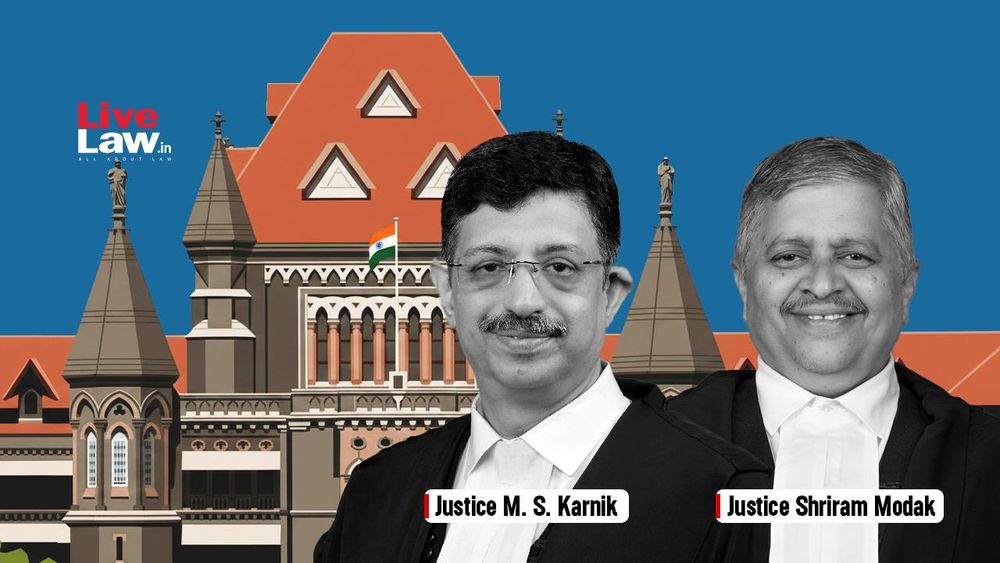
Bombay Court Rejects Halt on Mumbai Redevelopment Tenders
The Bombay High Court recently declined to halt tenders for the integrated redevelopment of over 5,000 housing societies in Mumbai’s Bandra Reclamation and Worli areas. A division bench comprising Justice Makarand Karnik and Justice Shriram Modak stated it would hear the case fully and thus refused to stay the tender process, which began on April 7 with bids expected to open on May 20. The court noted that allowing the process to continue would not harm petitioners at this stage.
The land involved belongs to the Maharashtra Housing and Area Development Authority (MHADA), which is executing the cluster redevelopment through its Construction and Development Agency (C&DA). The government initiated this project to provide affordable housing and improve living conditions in aging colonies built between 1950 and 1960 for middle- and low-income groups. These structures, now 50–60 years old, are deteriorating and require comprehensive redevelopment.
The court observed that integrated redevelopment ensures better infrastructure planning, proper area development, and high-quality construction with essential amenities. Individual or self-redevelopment proposals will not be considered under the new policy, which applies to MHADA layouts of 20 acres or more in Greater Mumbai and suburban areas. The bench emphasized that the redevelopment aims to uplift residents’ living standards.
Petitioners challenged Government Resolutions dated April 25, 2025, and December 15, 2025, arguing they violate Article 300A (right to property) of the Indian Constitution and breach Development Control and Promotion Regulations (DCPR). They claimed their leasehold rights to redevelop were arbitrarily revoked. However, MHADA’s counsel countered that the resolutions justify redevelopment due to structural decay and public interest.
The court scheduled final arguments for June 9, 2026, at 3 PM. If the hearing is postponed, the bench indicated it may consider interim relief requested by the petitioner societies. Senior advocates represented both sides, underscoring the legal complexity and significance of the case.
Enjoying TindPosting?
Get the app for a faster, personalized news experience.
