
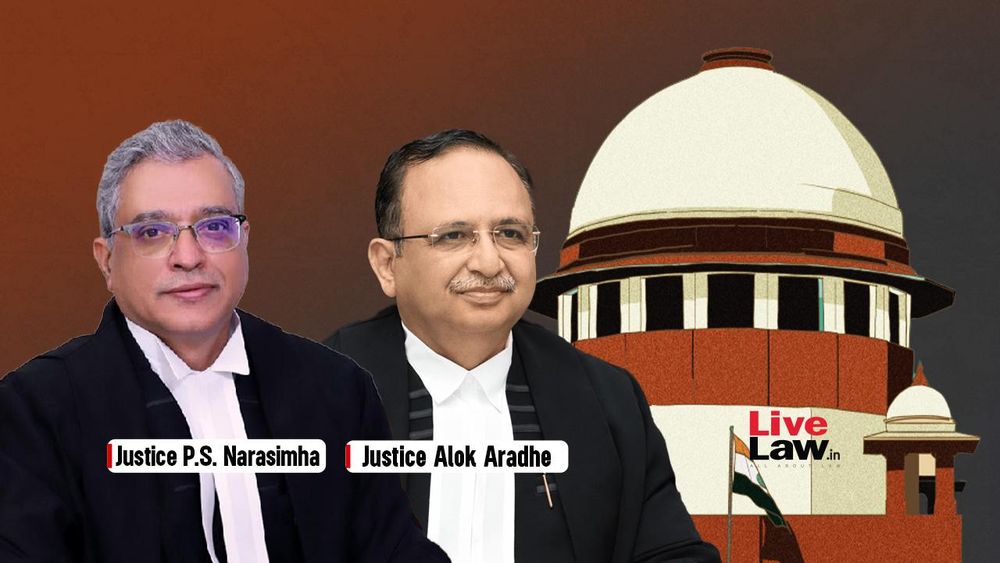
Supreme Court: No Inference of Passing Without Mark Disclosure
The Supreme Court ruled that candidates cannot claim appointment solely because their marks were not disclosed, if recruitment rules or advertisements do not require such disclosure. The case involved Durgapur Steel Plant appealing a Calcutta High Court order directing it to consider certain respondents for the post of Plant Attendant. The High Court had ordered this because the appellant, which used an independent agency for recruitment, only published the list of successful candidates without revealing marks of others, including the respondents.
The Court, in a judgment by Justice Alok Aradhe, set aside the High Court's decision. It observed that without a mandate to publish all candidates' marks, no adverse inference can be drawn against the recruiter for not disclosing results. The Court stated that neither the recruitment rules nor the advertisement required publishing marks of all candidates who appeared in the written examination. It emphasized that the respondents did not claim to have passed the exam, and there was no material to indicate they had passed.
The Court further noted that merely showing candidates were not listed as failed does not mean they passed the written examination. It added that the examination was conducted through an independent agency, and neither rules nor the advertisement prescribed how long selection records must be preserved. Therefore, the appellant's explanation for not producing records, claiming they were unavailable or destroyed, appeared bona fide. The Court concluded that mere non-production of such records does not justify inferring the respondents cleared the written test.
Accordingly, the appeal was allowed, setting aside the Tribunal's directions affirmed by the High Court, which had required appointing the respondents. The case is titled DURGAPUR STEEL PLANT & ORS. VERSUS BIDHAN CHANDRA CHOWDHURY & ORS., cited as 2026 LiveLaw (SC) 481.
Enjoying TindPosting?
Get the app for a faster, personalized news experience.
