
The Hidden Reality of Sudan's Crisis: Worse Than Acknowledged
The author recently visited Khartoum for the first time since the war began and found the scale of destruction far worse than widely recognized. The capital, once home to 7 million people, appeared nearly empty, with most buildings destroyed or heavily damaged by shelling and airstrikes. Over 58,000 deaths have been recorded, but actual numbers may be much higher due to collapsed infrastructure and mass displacement. Beyond violence, people are dying from disease and starvation amid the world’s largest hunger crisis—29 million Sudanese lack sufficient food, and famine is spreading.
Local volunteer-run community kitchens are critical in fighting hunger, yet 42% of surveyed kitchens have closed in the past six months due to funding shortages. The ongoing US-Israel war on Iran has worsened supply chain disruptions, doubling food and fuel prices and deepening the crisis. In Darfur and Kordofan, civilians continue to flee horrific atrocities, including drone strikes on hospitals and schools, besieged towns, and burned villages. Despite extreme dangers, local aid workers persist in helping displaced populations, but needs vastly outstrip available support.
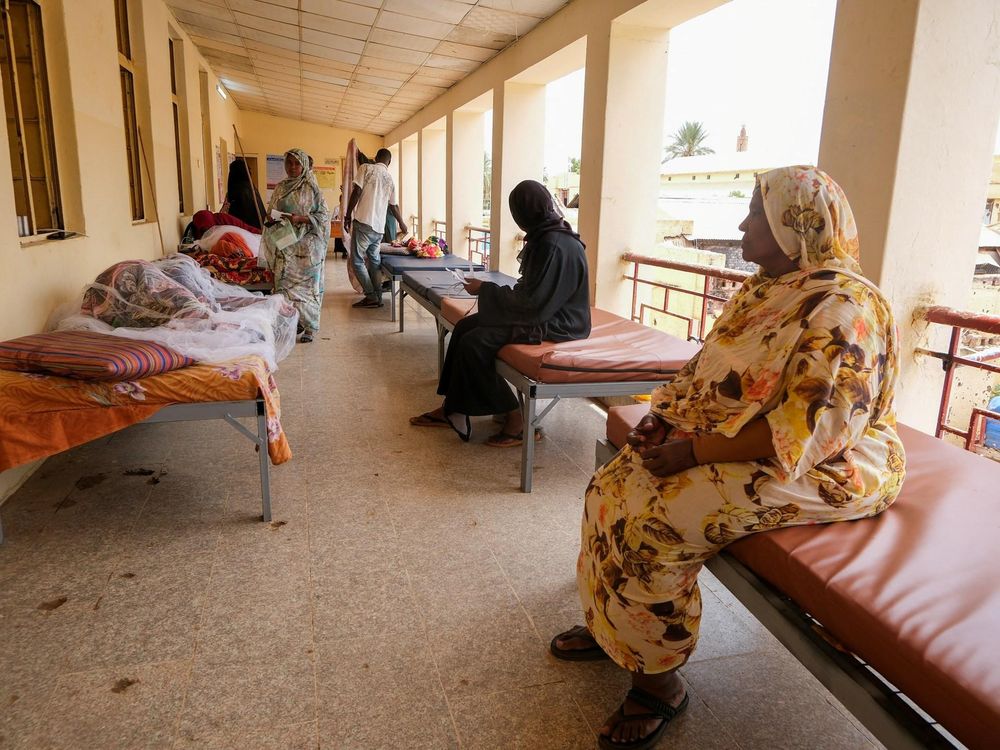
Even in areas with improved security, returning residents face dire conditions: severe food shortages, unemployment, nearly nonexistent services, and widespread poverty. Around 200 schools in Khartoum are nonfunctional—either destroyed or occupied by displaced families—and hospitals are looted or only partially operational. Electricity is available for just a few hours daily. Islamic Relief is rebuilding schools, restoring health services, and providing psychosocial support, but the overwhelming need remains unmet.
Survivors shared harrowing stories of loss and displacement. One woman, Ayesha, lost four sons and carried her grandchildren for five days to reach a displacement camp. Many fear recent fragile gains will collapse as fighting intensifies and drone attacks resume. There is growing concern that Sudan could split in two if the war continues. At a recent Berlin conference marking the war’s third anniversary, world leaders failed to achieve meaningful progress toward peace. The author urges immediate international action: a ceasefire, support for local responders, and unimpeded humanitarian access. Most Sudanese simply want the war to end so they can return home and live in dignity.
Enjoying TindPosting?
Get the app for a faster, personalized news experience.
