
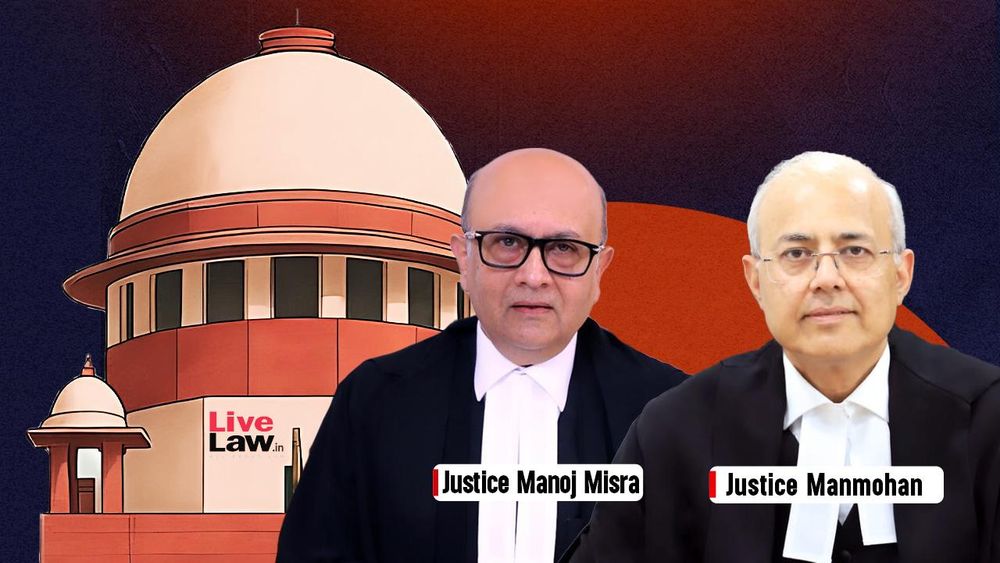
SC: Consensual Premarital Relationship Not Indicator of Poor Character, Allows Police Appointment
The Supreme Court has ruled in favor of a candidate whose police appointment was cancelled due to a criminal case arising from a failed romantic relationship.
Gajula Thirupathi had been selected for the position of police constable, but his candidature was cancelled after authorities discovered his involvement in a case registered under Sections 417, 420, and 506 of the IPC. The case originated from allegations by a neighbor that he had maintained a relationship with her for several years on a promise of marriage but ultimately married someone else. This criminal case was eventually compounded before a Lok Adalat in 2015.
The Supreme Court held that a consensual premarital relationship between two unmarried adults cannot be treated as evidence of poor moral character. The Court noted that the complainant was an adult who had freely chosen to compound the offense and that there was no evidence of coercion. It criticized the Recruitment Board for assuming the compromise indicated guilt, calling this reasoning "completely perverse."
The Court emphasized the need for authorities to be sensitive to contemporary social realities, noting that premarital relationships are common and should not automatically lead to adverse character assessments. Furthermore, the Bench clarified that not every relationship results in marriage, and a failed relationship alone does not prove cheating. Therefore, the Court restored the High Court's original order directing Thirupathi's appointment, allowing the appeal.
More Supreme Court Verdicts News


Enjoying TindPosting?
Get the app for a faster, personalized news experience.
